Modern RVs come with an impressive array of built-in RV safety features that many owners either take for granted or don’t fully understand. Knowing what’s already installed in your rig, how each system works, and what regular maintenance keeps it functioning reliably is one of the most practical things an RVer can invest time in, because these systems exist precisely for the moments when something goes wrong, and those moments don’t come with warning.
Understanding Your Built-In RV Safety Features
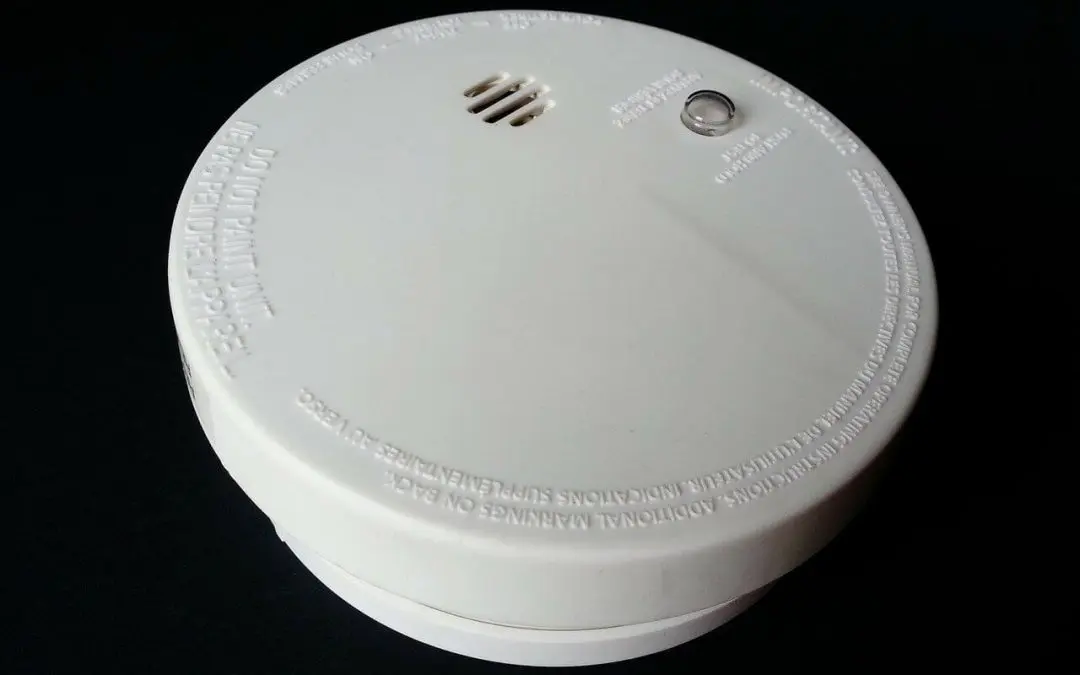
The safety systems in a modern RV address three primary hazard categories: fire and combustion risks, carbon monoxide exposure, and propane leaks. Each is dangerous in the confined space of an RV, and each requires both a functioning detection system and an owner who knows how to respond when that system activates. Smoke detectors in RVs are typically located near the sleeping area and sometimes near the kitchen. Test monthly and replace the battery annually; the same discipline that applies at home applies on the road. Carbon monoxide detectors are among the most critical RV safety features given the number of combustion appliances, such as furnace, water heater, generator, and stove, operating in close proximity to the living space. Carbon monoxide is odorless and colorless, making the detector the only reliable warning available. Test monthly, replace per manufacturer guidance (typically every five to seven years), and never operate combustion appliances in an unventilated space.
Propane and LP Gas Detection
Most RVs are equipped with a propane or LP gas detector, mounted near the floor where propane gas, being heavier than air, accumulates first. This detector monitors for gas concentration continuously when the RV is in use and sounds an alarm when levels reach a threshold that indicates a leak. Propane detectors have a limited service life, typically five to seven years, and should be replaced on that schedule regardless of whether they appear to be functioning. A detector that is expired may still illuminate its indicator light while no longer being sensitive enough to reliably detect a leak. Check the manufacture date printed on the unit and replace it proactively. When a propane detector alarm sounds, the correct response is immediate: extinguish all open flames, do not operate any electrical switches (including light switches, which can produce sparks), open windows and doors, and exit the RV. Once outside, shut off the propane supply at the tank and do not re-enter until the source of the leak is identified and addressed by a qualified technician.
Additional RV Safety Features Worth Knowing
Beyond the core detection systems, most modern RVs include additional RV safety features worth knowing. Automatic ignition systems on furnaces and water heaters include safety shutoffs that cut gas flow if ignition fails, a protection against unburned gas accumulation that older pilot light systems didn’t provide. Know how to reset these systems and when a repeated ignition failure warrants professional service rather than another reset attempt. Fire extinguishers in RVs are required by most manufacturers, but many owners never check whether theirs is still within its service life. Confirm the gauge reads in the green zone, that the pin and tamper seal are intact, and that the unit hasn’t exceeded its service interval. An expired or discharged extinguisher in an emergency is the same as no extinguisher at all.
RV Savvy provides RV inspections for Coastal Virginia & Southwest Florida. Contact us today to schedule your services.